Ten Steps to a Cleaner Fabric Library Before Development Season
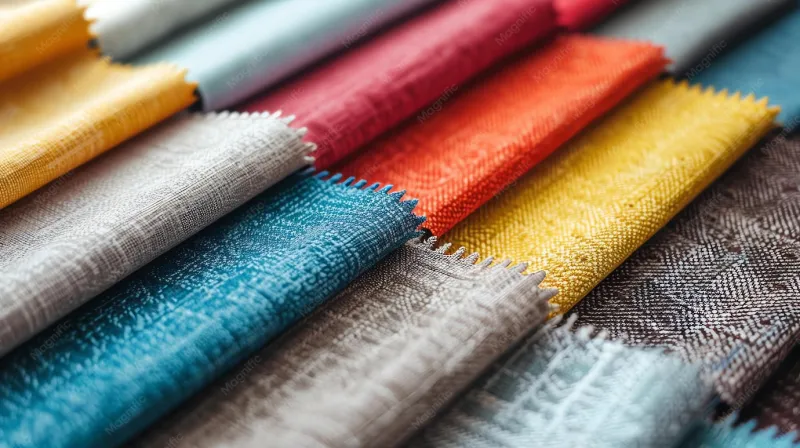
Photo: fabric rolls inventory warehouse shelves textile, via img.freepik.com
Most apparel brands do not set out to build an unwieldy fabric library. It accumulates: a roll left from a canceled style, a swatch from a mill trial, a hanger from a bestseller that may reorder, a sample lot that was never fully consumed. By the time development season begins, the library can hold both valuable reorder assets and cash that is quietly going stale.
A year-end audit is a practical way to separate the two. The goal is not a perfect archive. The goal is a working library that supports the next development cycle, protects reorder-critical fabrics, and reduces the cost of materials that no longer serve the line.
Step 1: Set a cutoff and freeze the library
Choose an audit date and stop new check-ins for the duration. Gather rolls, swatches, hangers, and sample lots from all storage locations, including design, production, and any offsite warehouse. A library audit that covers only the main shelf will miss the rolls that matter.
Step 2: Reconcile physical rolls to inventory records
Match each roll to its inventory record by roll ID, yardage, width, and lot. Note discrepancies rather than correcting them silently. A roll that exists physically but not in the system, or vice versa, is a data problem that will surface later as a duplicate order or a shortfall.
Step 3: Separate active, reorder-critical, and dormant fabrics
Active fabrics are in current development or production. Reorder-critical fabrics support best sellers or carryover styles with repeat production. Dormant fabrics have not been used in a defined period, often twelve months, and have no planned use. The categories should be explicit, not left to memory.
Step 4: Flag dead stock with a disposition decision
For dormant fabrics, decide: donate, recycle, sell to a jobber, use for sampling, or retain for a specific future program. Keeping a roll just in case is a decision to pay for storage and insurance indefinitely. The carrying cost should be calculated, not assumed to be zero.
Step 5: Record shade lots and dye lots
For every retained roll, record the shade lot, dye lot, and mill batch where available. Note the color name and reference. If a shade band was approved, attach it to the record. These details are essential when a bestseller reorders and the mill needs to match the original production.
Step 6: Capture hand-feel and performance notes
A fabric library is also a knowledge base. Record notes on drape, hand, surface character, stretch, shrinkage, and any test results. Use a consistent scale so future developers can compare fabrics without relying on memory. The notes should be specific enough to guide a substitution decision.
Step 7: Verify reorder data for best sellers
For reorder-critical fabrics, confirm the supplier, mill, article number, construction, fiber content, finish, width, weight, minimum order quantity, lead time, and current price. Confirm that the fabric is still available. If it has been discontinued, identify an alternate before the reorder need becomes urgent.
Step 8: Quantify cash tied up in slow rolls
Value the slow-moving rolls at cost and add a carrying-cost estimate for space, insurance, and obsolescence. This figure makes the disposition decision concrete. A roll that seemed too valuable to discard may be costing more to keep than it would return in a future program that may never materialize.
Step 9: Clean the swatch and hanger library
Purge outdated swatches and hangers that no longer match current fabric records. Keep only labeled, accurate swatches linked to a roll ID or fabric record. Digital photos can supplement the physical library, but they should be labeled consistently and stored where the production team can find them.
Step 10: Set a maintenance cadence
An annual audit is useful, but a quarterly spot check prevents the library from drifting back into disorder. Assign an owner, define simple check-in rules, and require shade-lot and hand-feel notes at the point of receipt. The next development cycle should begin with a library that is ready to use, not one that needs to be excavated.
A fabric library is both working capital and institutional knowledge. The audit is not housekeeping for its own sake. It is a way to protect the fabrics that drive revenue, release the ones that do not, and give the next development season a cleaner starting point.