The Color Clock: Scheduling Lab Dips, Strike-Offs, and Bulk Approvals Before They Delay the Line
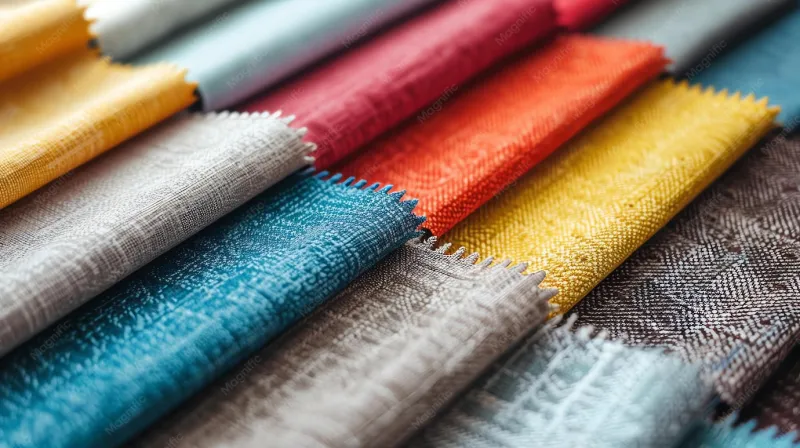
Photo: textile lab dip color approval swatches studio, via www.choosingtherapy.com
In apparel development, color is usually framed as a design decision. In production, it is a sequence of physical approvals, each with its own lead time, substrate variable, and pass-fail threshold. For US fashion brands sourcing wholesale fabric, the color approval calendar is not administrative overhead. It is a production bottleneck that can quietly consume weeks before a single roll is cut.
The chain, not the single approval
A color reference does not travel directly from a Pantone chip to a bulk roll. It passes through a lab dip, often a strike-off for prints or surface effects, and then a bulk-lot approval once production is underway. Each stage introduces variables: fiber content, yarn lot, dye class, finish, and the mill's interpretation of the target.
A lab dip that looks correct on cotton poplin may not predict the same result on a heavier twill or a blend with elastane. This is why approval should be tied to the production substrate, not a convenient sample quality. When brands approve a lab dip on the wrong base cloth, they are approving a color that may not exist in bulk.
Where US calendars break
Many development calendars allocate a single line for color approval, often two weeks. That line rarely reflects the actual sequence. A lab dip may require seven to ten business days at the mill, plus international shipping and internal review. Strike-offs can add another ten to fourteen days. Bulk-lot approval happens after fabric is produced, which means a rejection late in the process can strand yardage, trigger air freight, or force a launch delay.
For reorders of a best-selling fabric, the risk shifts rather than disappears. The mill may no longer have the same dye lot or substrate lot. Even with a retained standard, the new bulk can read differently under retail lighting. Brands that treat reorder color approval as a formality often discover the mismatch after the cut ticket is issued.
Setting practical shade tolerances
A shade tolerance should be agreed before sampling begins, not negotiated after a bulk lot falls short. Numerical tolerances, such as Delta E readings calculated under ASTM D2244, give both parties a common language. But numerical pass-fail should be paired with visual assessment under controlled lighting. Specify the illuminants, such as D65 and TL84, and note whether the match is a lab match or a commercial match.
Not every color tolerates the same numerical window. Navy, black, and deep saturated shades can be especially vulnerable to metamerism, where two colors match under one light source but diverge under another. For these colors, a visual assessment by trained personnel remains essential. For pale pastels, small numerical differences may be visually acceptable. The tolerance should reflect the color family and the end use.
Shade bands offer a practical alternative to approving a single point. Instead of approving one lab dip as an exact target, the brand approves a defined range of acceptable lightness and darkness across the production run. Bulk rolls are then measured against the band. This approach acknowledges that dyeing is a variable process while still holding the mill to a commercial standard.
Building the approval window
Work backward from the cut date, not forward from the PO date. Bulk fabric should be in hand, or at least approved, with enough buffer for inspection and relaxation before cutting. If bulk-lot approval happens offshore after production, the calendar must include time for rejection and replacement, not just approval.
A realistic sequence includes lab dip submission, internal review, any revision, strike-off where applicable, bulk production, bulk-lot submission, and final sign-off. Each handoff needs an owner and a date. When a brand skips the revision buffer, it is effectively assuming the first submission will pass. That assumption is not a calendar.
Reorder discipline
For reorder-critical fabrics, record the shade lot, dye lot, mill batch, and retained sample. When placing a repeat order, ask the mill whether the same dye recipe and substrate lot can be used. Even then, a new bulk lot should be approved against the retained standard rather than assumed to match. The approval protocol for reorders should be written down before the bestseller needs replenishment.
The supplier conversation
Before committing to a fabric program, US brands should ask which substrate will be used for the lab dip, what the standard lab dip lead time is, whether Delta E readings are provided, whether shade bands can be submitted, how bulk-lot approval is handled, who signs off, and what happens if bulk falls outside tolerance. These questions belong in the sourcing conversation, not in a post-mortem after a late shipment.
Color approval is a production step with dates, owners, and tolerances. Brands that schedule it as such protect launch dates and avoid the most avoidable delays in the fabric supply chain.